 Diraflow
Diraflow
Diraflow
Precision object detection, action recognition, pose estimation, scene understanding, and temporal localization — from computer vision specialists with deep domain expertise.
Nine specialized annotation types covering every video AI use case — from object detection to action recognition and pose estimation.
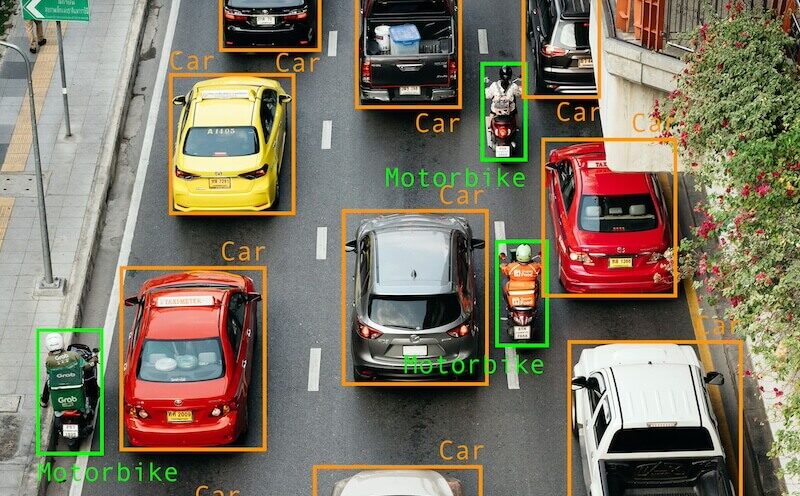
Object detection locates and labels objects within video frames — people, vehicles, animals, products, etc. Annotators draw bounding boxes around each instance, classify object type, and handle occlusion and scale variation. This enables computer vision models to identify, track, and understand objects across real-world video streams for autonomous systems and visual search.
Common use cases: Autonomous vehicle perception, retail inventory monitoring, industrial quality inspection, wildlife tracking, security surveillance, sports analytics, and object-based video search systems.
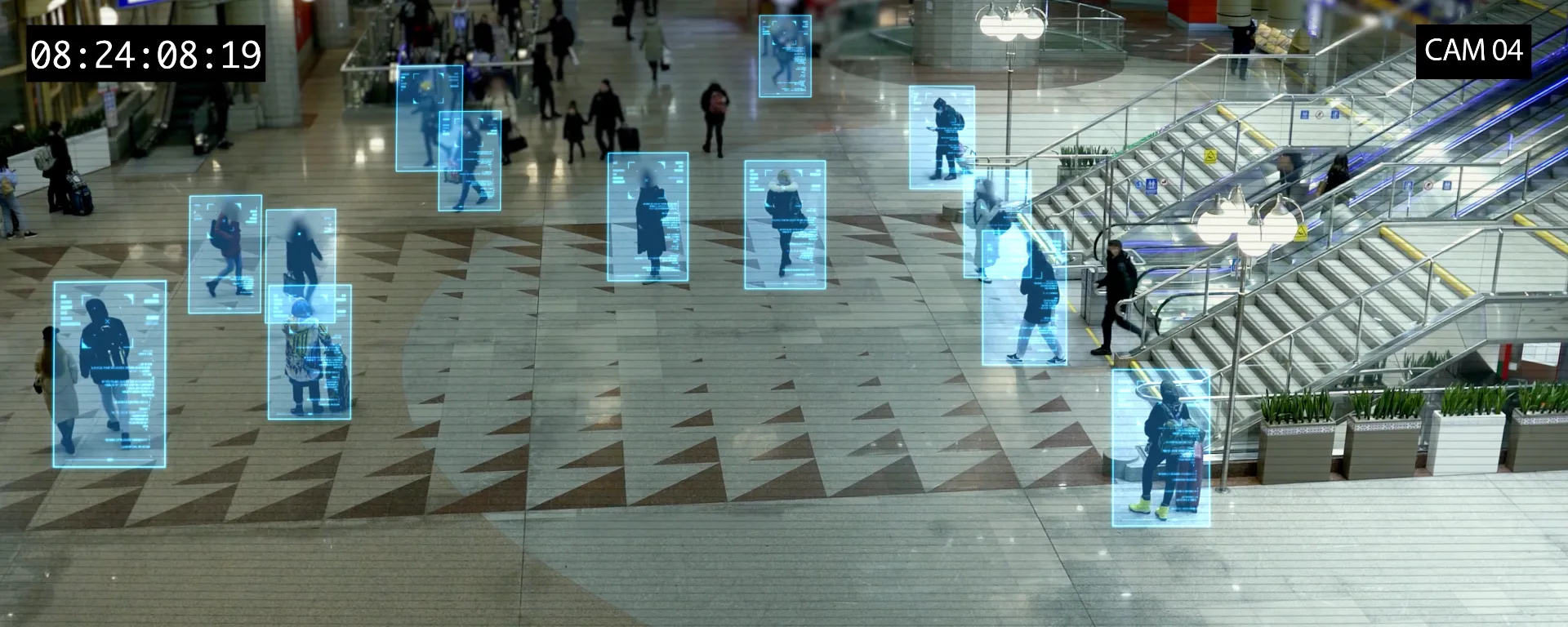
Action recognition identifies what people and objects are doing in video — walking, running, sitting, waving, throwing, swimming, etc. Annotators classify actions with temporal boundaries, capturing when actions start and end. Essential for understanding human behavior, workplace safety monitoring, sports performance analysis, and context-aware video understanding systems.
Common use cases: Workplace safety monitoring, sports video analysis, fitness tracking systems, crowd behavior analysis, surveillance anomaly detection, gesture recognition, and human-computer interaction training.
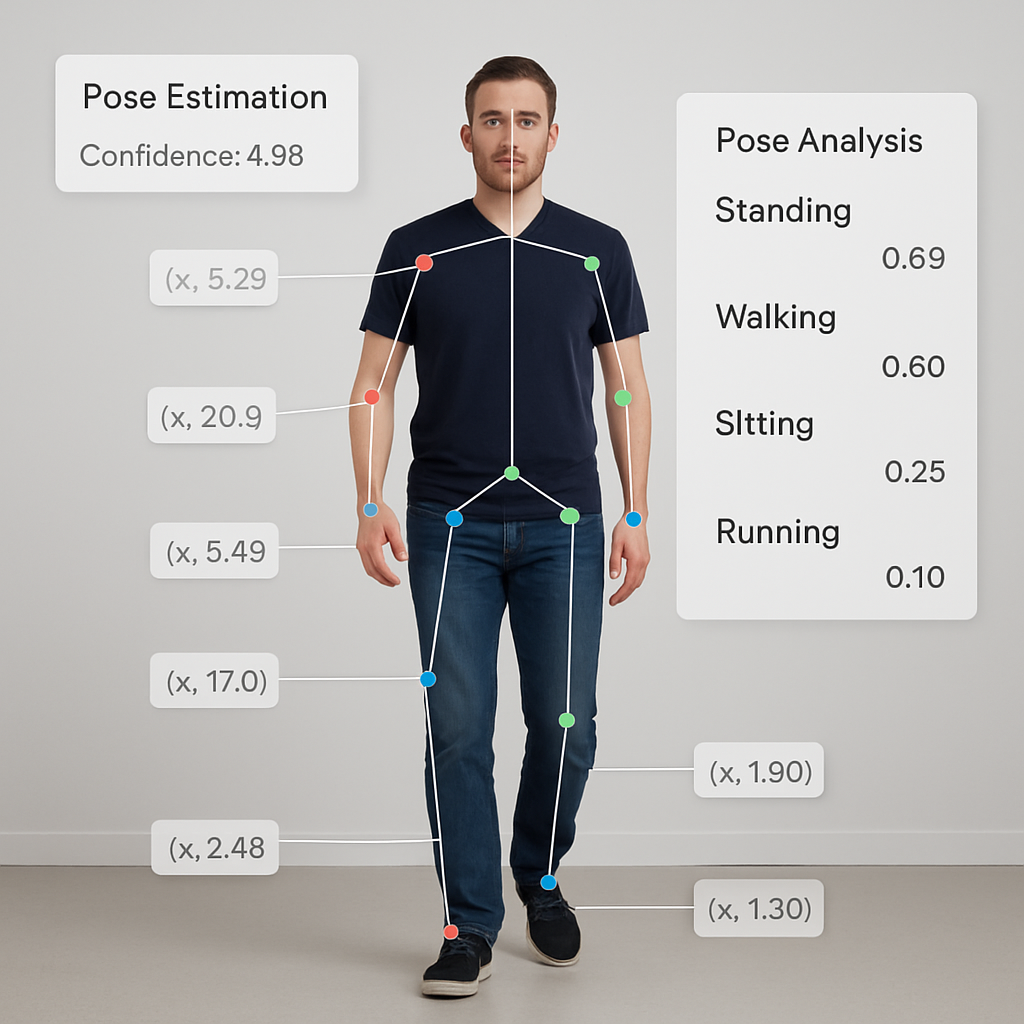
Pose estimation marks skeletal keypoints on human bodies — head, joints, limbs — to capture body configuration and movement. Annotators precisely label anatomical landmarks across video frames, handling occlusion and complex postures. Enables motion capture, fitness coaching, dance analysis, rehabilitation monitoring, and sports biomechanics training at scale.
Common use cases: Motion capture for animation, fitness app form correction, physical therapy assessment, dance choreography analysis, sports performance improvement, virtual fitness coaching, and gesture-based interfaces.
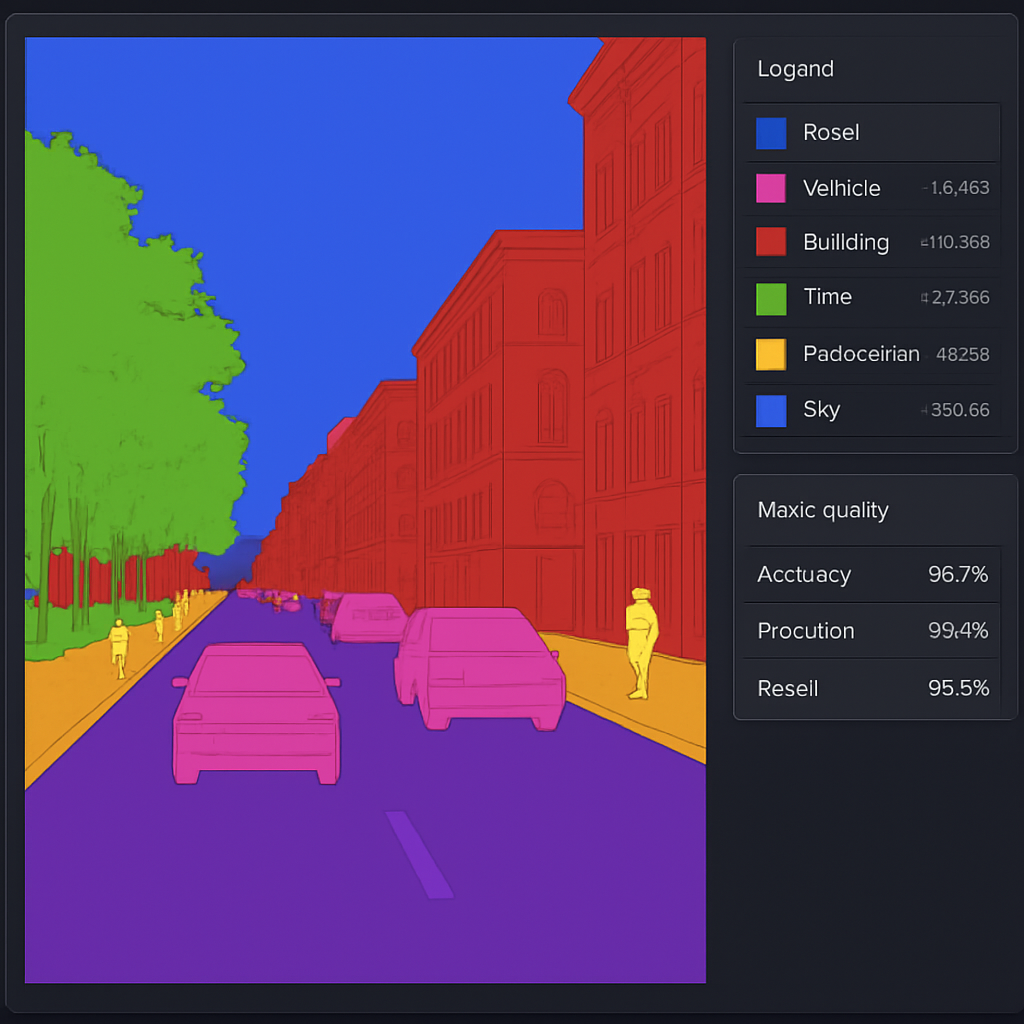
Semantic segmentation assigns class labels to every pixel in video frames — sky, road, building, vegetation, person, vehicle. Annotators perform pixel-level classification, creating precise masks that segment scenes into meaningful regions. Essential for autonomous driving perception, medical imaging analysis, and applications requiring dense, per-pixel understanding of visual content.
Common use cases: Autonomous vehicle road understanding, medical image segmentation, satellite image analysis, agricultural crop monitoring, background removal for video editing, and scene understanding for robotics.
We employ computer vision specialists, roboticists, and annotation engineers who understand visual nuance and technical annotation requirements. Rigorous quality checks ensure bounding boxes, segmentation masks, and labels meet production standards.
Send us details about your video annotation needs and we'll provide a tailored proposal — scope, timeline, and pricing — within one business day.
Include annotation type, video duration, and timeline.