 Diraflow
Diraflow
Diraflow
Precision speech transcription, speaker identification, emotion detection, and audio event labeling — from linguists and audio engineers with domain expertise.
Eight specialized annotation types covering every audio AI use case — from transcription to speaker analysis and emotion detection.
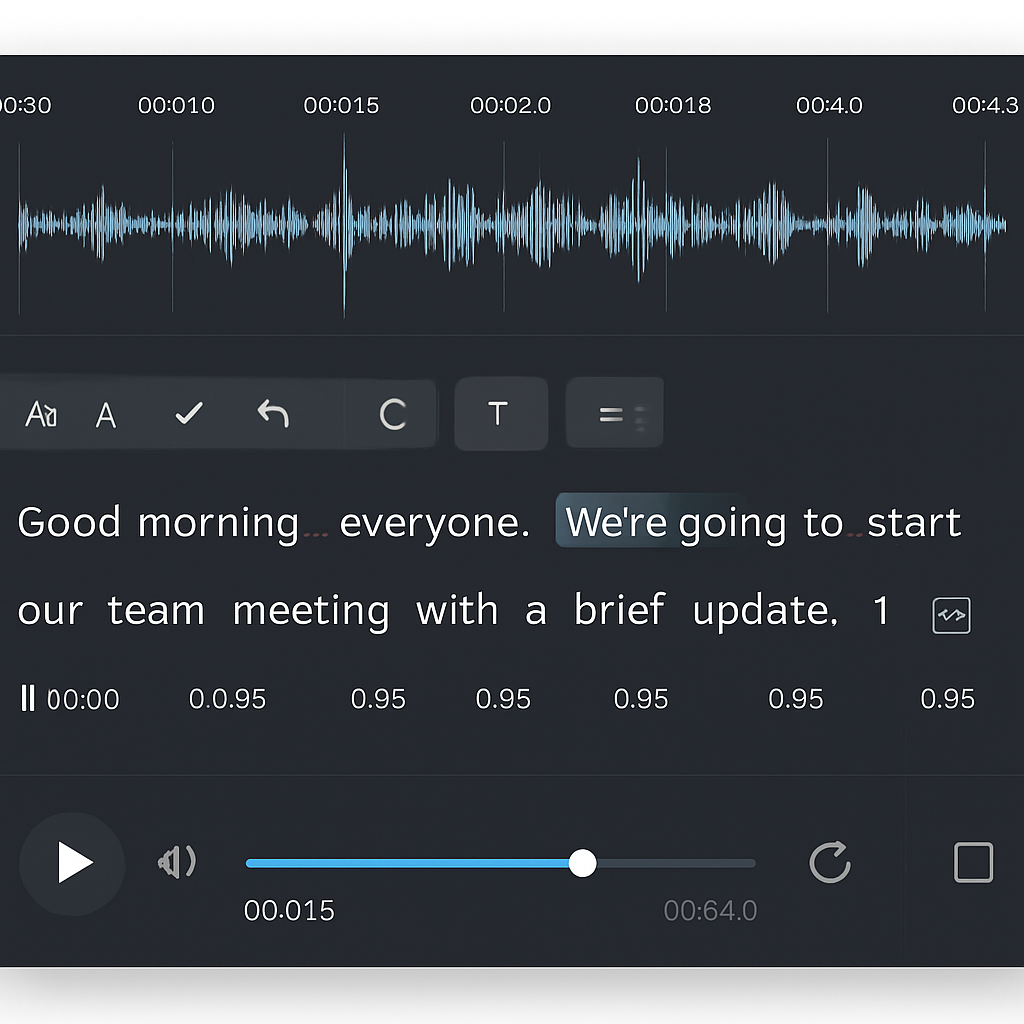
Speech transcription converts audio speech into text with high accuracy. This annotation captures exact spoken content, handling accents, dialects, technical terminology, and contextual nuances. Our linguists transcribe with strict adherence to style guides, capturing punctuation, capitalization, and speaker intent to create training data for Automatic Speech Recognition (ASR) systems.
Common use cases: Transcription service training, meeting transcription systems, voice assistant development, accessibility caption generation, customer service call analysis, interview archival, and multilingual speech understanding.
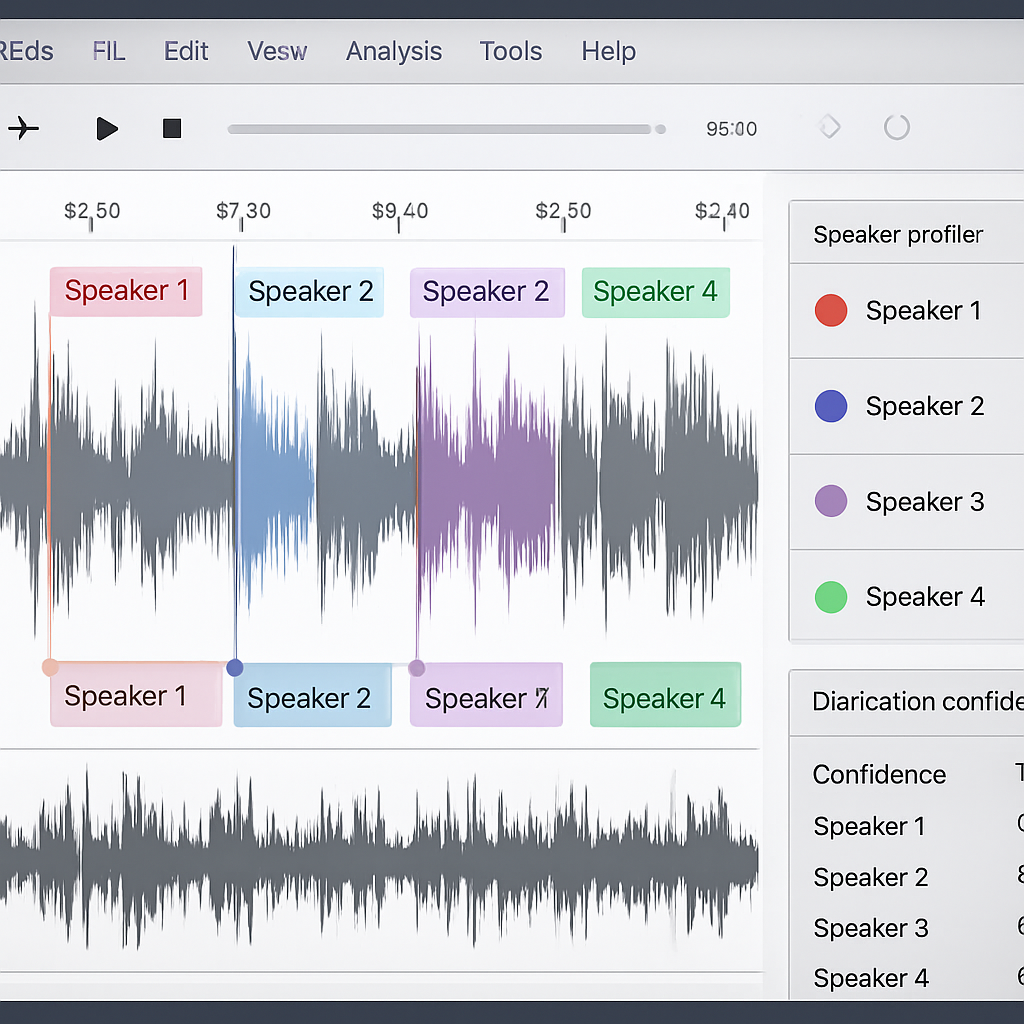
Speaker diarization segments audio to identify who spoke and when, while speaker identification classifies or verifies specific speakers. Annotators mark speaker transitions, identify overlapping speech, and assign speaker labels based on voice characteristics. Essential for understanding conversational dynamics, multi-party interactions, and building speaker-aware AI systems.
Common use cases: Meeting transcription with speaker attribution, conference call analysis, podcast segmentation, interview processing, biometric speaker authentication, dialogue system training, and forensic audio analysis.
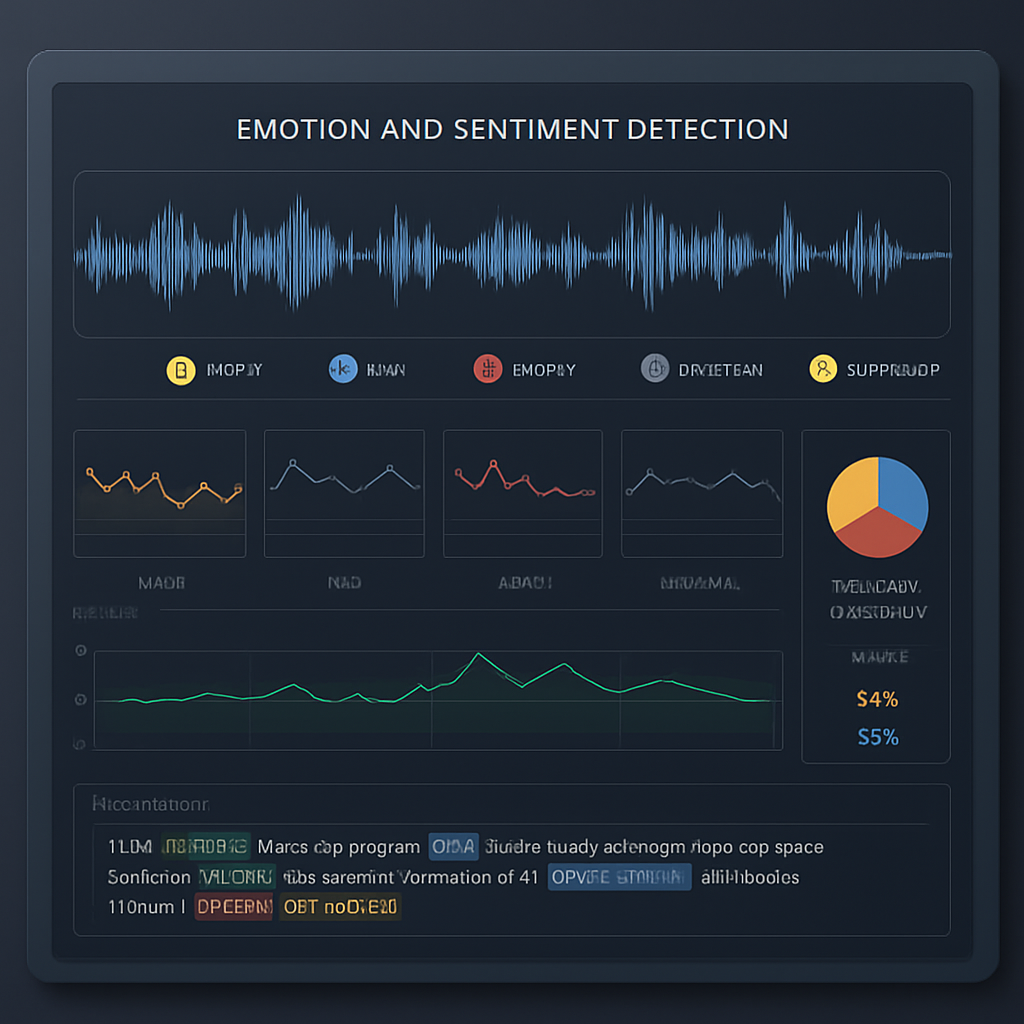
Emotion detection annotates the emotional state conveyed in speech — joy, anger, sadness, frustration, neutrality, etc. Sentiment annotation captures overall speaker attitude (positive/negative/neutral). Our specialists identify emotional cues through tone, prosody, and speech patterns, providing ground truth for models learning emotional AI understanding and empathetic response systems.
Common use cases: Customer service sentiment analysis, mental health monitoring systems, chatbot emotion awareness training, content moderation for toxic tone detection, user experience research, and conversational AI personality development.
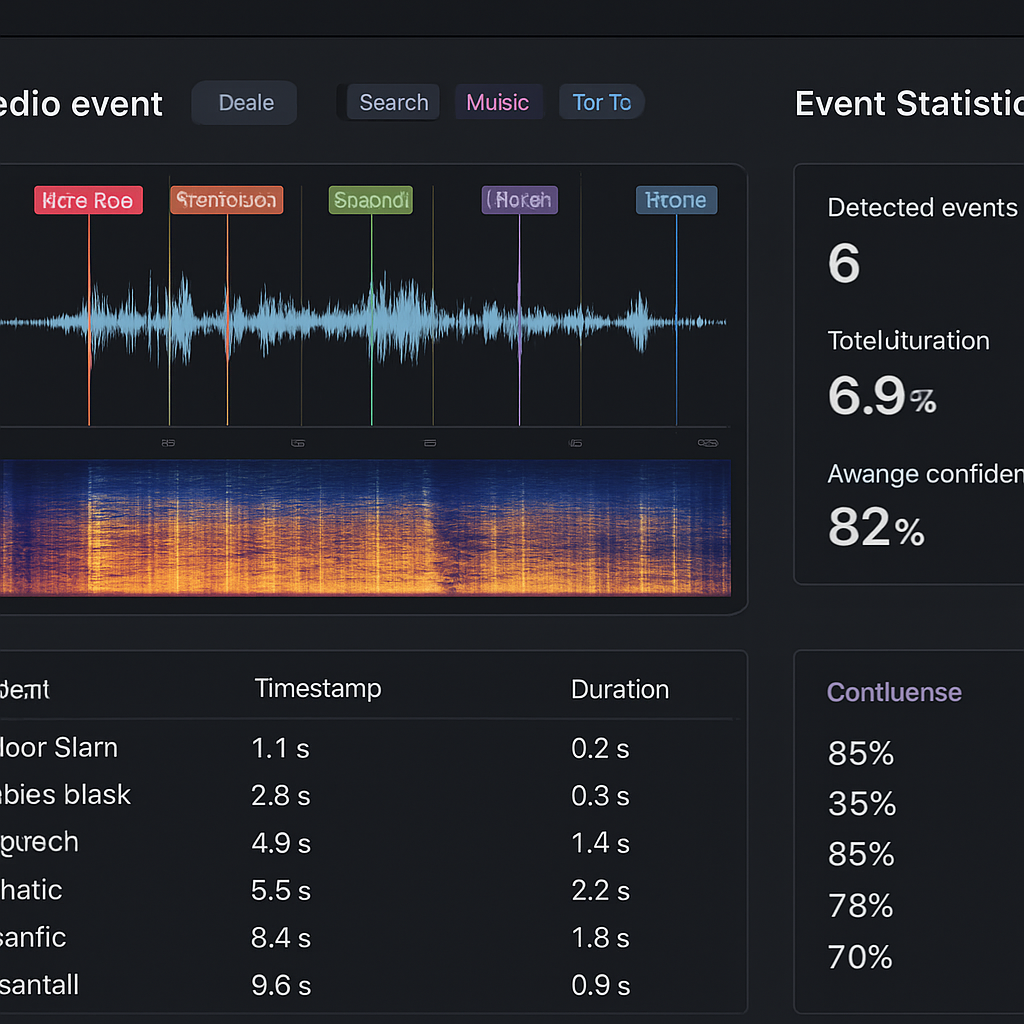
Audio event detection identifies and locates specific sounds within audio files — breaking glass, dog barks, door slams, music, applause, machinery sounds, etc. Annotators mark temporal boundaries and classify event types with high precision. Critical for environmental audio understanding, safety monitoring, and context-aware audio systems that must react to acoustic events.
Common use cases: Environmental sound classification, security system audio alerts, urban sound monitoring, wildlife acoustic monitoring, industrial equipment fault detection, emergency service dispatch automation, and accessibility ambient awareness systems.
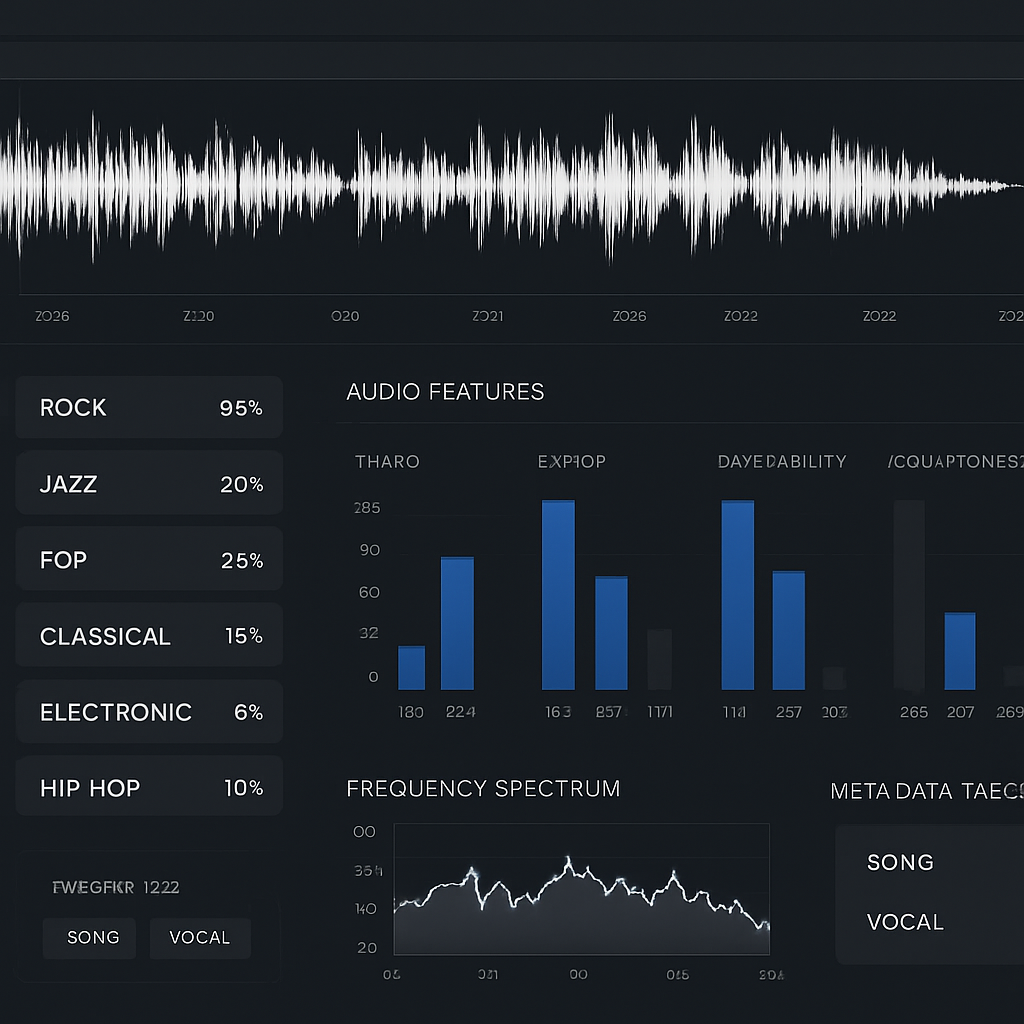
Music classification assigns genre, mood, tempo, and instrument tags to audio tracks. Annotators categorize music across hierarchical taxonomies — from broad genres (rock, jazz, classical) to sub-genres and stylistic attributes. This enables music streaming platforms to build recommendation systems and content discovery engines that understand musical taxonomy.
Common use cases: Music streaming recommendation systems, DJ automation, playlist generation, music licensing and rights management, content ID systems, music discovery algorithms, and audio mood-based playlist curation.
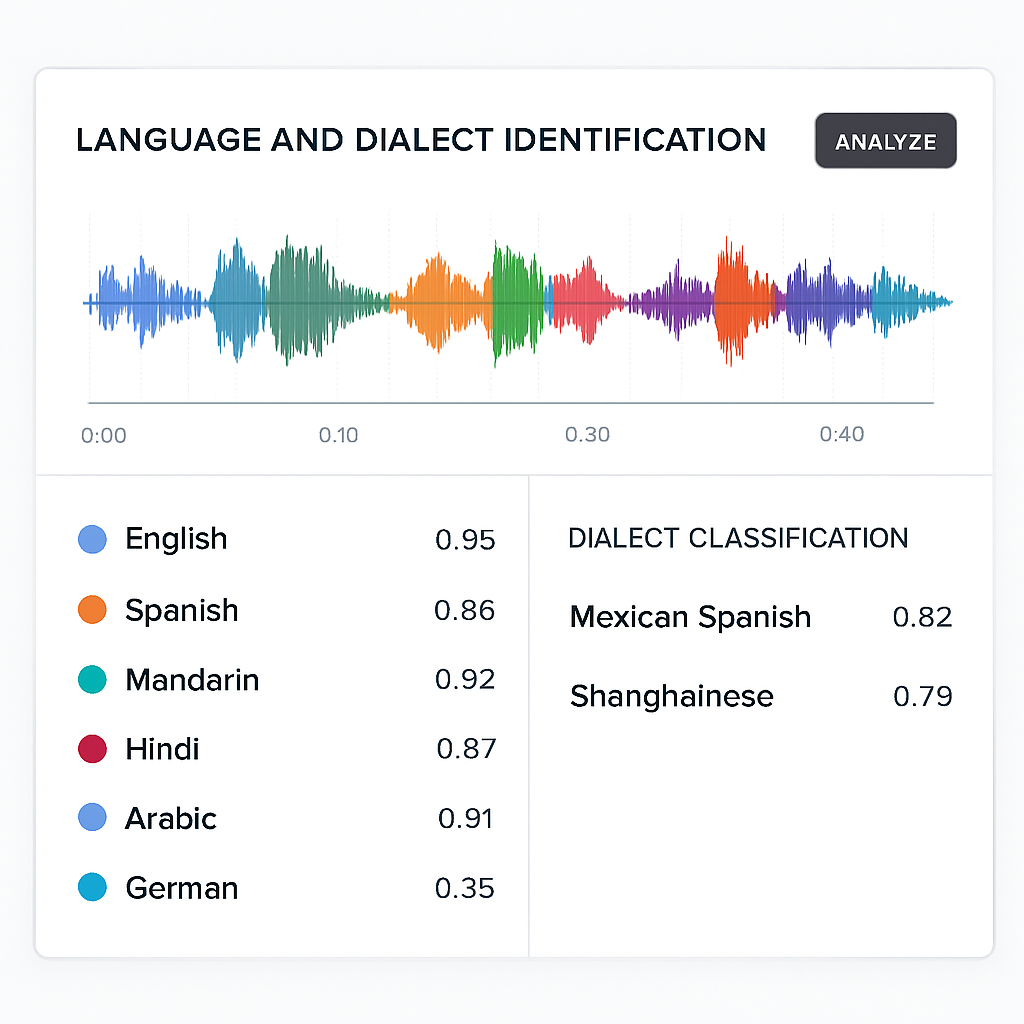
Language identification classifies which language is being spoken, while dialect annotation captures regional and national variations. Annotators tag language boundaries in multilingual audio, identify specific dialects (British English, Mexican Spanish, Mandarin, etc.), and note code-switching. Essential for multilingual speech systems, automatic routing, and culturally-aware AI applications.
Common use cases: Multilingual speech recognition routing, international customer service automation, language learning applications, linguistic research and corpus building, content moderation for non-English audio, and global voice interface localization.
We employ linguists, audio engineers, and speech specialists who understand acoustic nuance and linguistic context. Rigorous quality checks ensure transcriptions, emotion labels, and event detection meet production standards.
Send us details about your audio annotation needs and we'll provide a tailored proposal — scope, timeline, and pricing — within one business day.
Include annotation type, audio duration, and timeline.